25/06/2025
Posture Detection with Image Processing Technologies A Digital Revolution in Healthcare
Digital technologies continue to revolutionize the healthcare sector. Among these innovations, image processing technologies stand out as transformative tools that fundamentally change how we protect and improve our physical health. In this article, we will explore the recent advancements in posture detection and the critical role that image processing technologies play in this field. We will examine why posture detection is important, how these technologies work, their applications in healthcare, and the benefits they provide. Let’s take a closer look at this significant innovation in the digital era of healthcare.
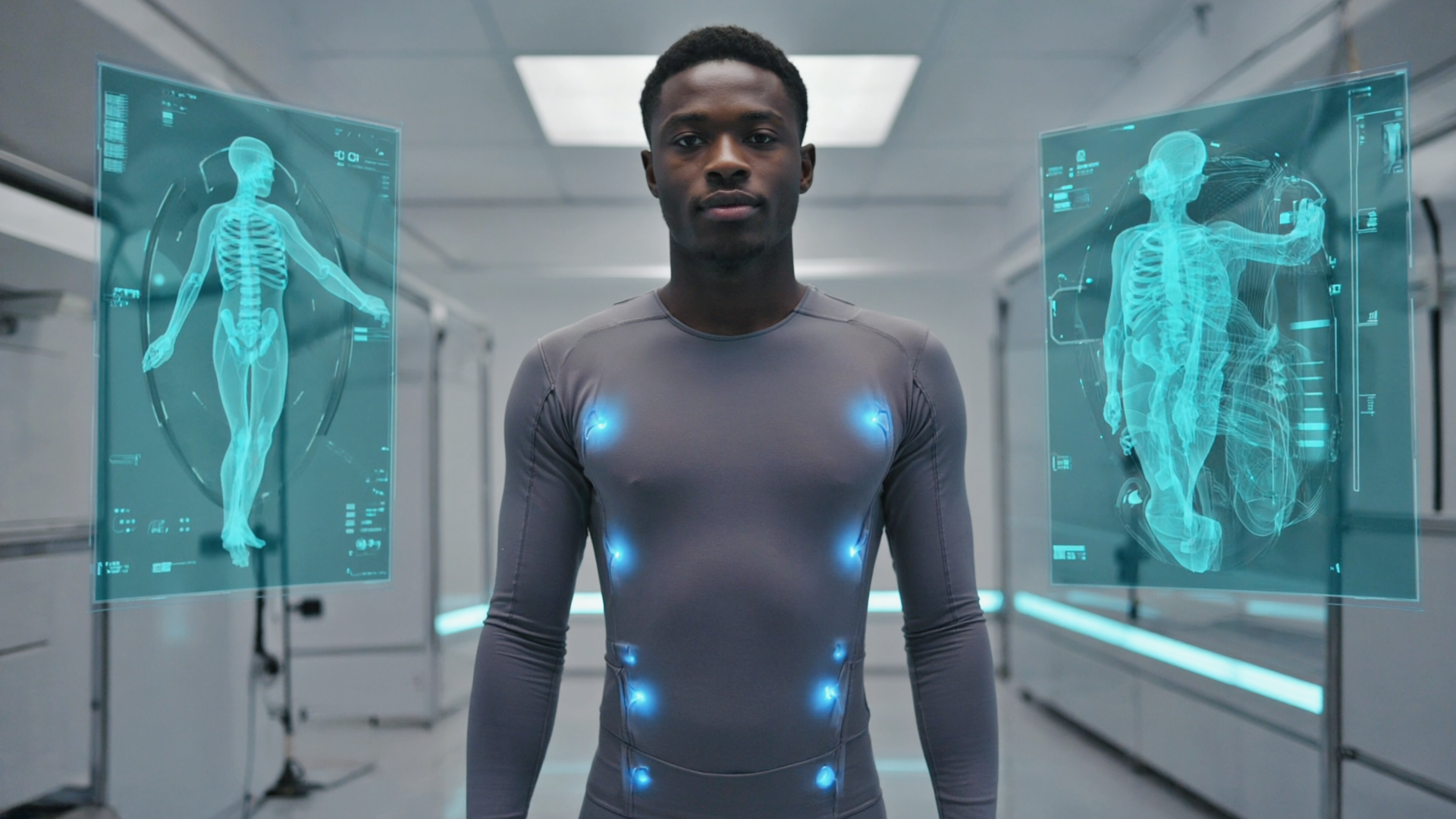
The Rise of Image Processing Technologies in Healthcare
Artificial intelligence in healthcare applications and digital health solutions have gained significant attention in recent years within the field of health technologies. Especially posture analysis using image processing has brought revolutionary changes to modern medicine. These technologies analyze users' body posture and have significant impacts on preventing posture disorders and supporting spinal health.
Ergonomic technology is also used to improve work environments and increase physical suitability in the workplace. Image processing technologies play a major role in determining the healthiest posture tailored to each individual’s workspace, thus helping prevent long-term health issues.
AI-based posture analysis creates 3D maps of the human body through numerous cameras and sensors, and uses deep learning models to perform detailed posture assessments based on this data. This process provides seamless support in both diagnosis and treatment. AI-powered analysis allows doctors and physiotherapists to objectively evaluate patients' posture problems.
For example, the use of technology in physical therapy not only improves the effectiveness and speed of treatment processes, but also accelerates patient recovery during rehabilitation. Advanced image processing algorithms can analyze human motion in real time, aiding in the development of personalized exercise programs for treatment.
The rise of these technologies in the healthcare sector offers new and innovative treatment methods for both patients and healthcare professionals. Moreover, posture detection technology contributes to personal health management by equipping individuals with the tools needed to take steps toward a healthier future.
What Is Posture Detection and Why Is It Important?
Posture detection is a method used to analyze an individual’s posture to assess body alignment and spinal health. This assessment focuses especially on the spine, as it is one of the most critical structural supports in the body. A healthy posture reduces stress on the spine, helping to prevent pain and injury.
In modern times, with the increase in computer and mobile device usage, posture disorders have become more common. This has increased the importance of areas such as ergonomic technology and digital health solutions. Accurate posture detection allows for early intervention and prevents long-term health problems.
Posture analyses using human motion analysis and image processing techniques are creating revolutions in fields such as physical therapy and sports science. These analyses show in detail how individuals carry themselves during daily activities and offer potential strategies for preventing posture disorders.
As a result, posture detection provides insights that help individuals lead healthier, more productive, and pain-free lives. Therefore, posture detection through the integration of digital image processing and AI applications has rapidly become a rising value in the healthcare sector.
How Does Posture Detection Work with Image Processing Technologies?
Posture detection is a method used to identify and correct posture disorders. Image processing technologies play a critical role in this process. AI-powered algorithms analyze digital images of the human body to perform posture assessments. These analyses are typically completed within seconds and reveal potential risks in an individual's posture.
Systems equipped with cameras and sensors perceive a person’s posture in three dimensions. This data is processed by AI posture analysis algorithms. The system evaluates various parameters such as spinal curvature and shoulder alignment to determine any posture issues. These technologies are especially important for spinal health and posture disorder prevention.
Ergonomic technology and human motion analysis are other vital aspects of this process. Thanks to image processing technologies, users' postures during daily activities are continuously monitored and analyzed. By enabling dynamic posture analysis, this technology helps prevent long-term health issues.
As part of digital health solutions, this technology has great potential to improve physical therapy and rehabilitation processes. Image processing technologies, which allow optimization of patient care methods, are considered revolutionary in the healthcare sector.
Applications and Benefits of Posture Detection in Healthcare
Posture detection technology is rapidly being adopted as an innovation in the healthcare sector. This technology helps prevent various health problems by analyzing individuals' posture and also allows existing posture issues to be corrected. Thanks to image processing and AI-based posture analysis, posture disorders can be detected at earlier stages and necessary interventions can be made in time.
Posture detection is especially critical for spinal health, playing a vital role in identifying posture disorders like scoliosis at early stages and guiding treatment. It also offers potential to reduce chronic pain and improve daily life activities through human motion analysis.
Posture detection is a popular method in physical therapy applications. The use of technology in physical therapy accelerates rehabilitation and leads to more effective results. The posture accuracy required for properly implementing exercise therapies can be achieved through image processing technologies. This allows physical therapists to continuously monitor patients' posture and make necessary corrections.
In the field of ergonomic technology, posture detection is a valuable tool for protecting worker health and improving workplace productivity. Posture problems common among individuals working long hours at desks can be minimized through early detection and intervention. This helps prevent workforce loss and contributes to increased employee satisfaction.
Overall, posture detection applications considered part of digital health solutions are increasing quality and efficiency in the healthcare sector. This technology, which improves individuals' quality of life, is poised to become an essential part of digital transformation in healthcare in the coming years.
Frequently Asked Questions
What are image processing technologies?
Image processing technologies are a set of techniques that aim to extract information, enhance images, or analyze specific features from digital images through various operations.
What is posture detection and why is it important for health?
Posture detection is the analysis of a person’s body posture. From a health perspective, correct posture plays a crucial role in preventing pain and injuries by supporting the musculoskeletal system.
How are image processing technologies used in posture detection?
Image processing algorithms recognize the human figure from video or images, analyze body posture, and help identify posture disorders.
What are the advantages of these technologies in the healthcare sector?
These technologies provide fast and objective posture analysis, enabling physiotherapists and doctors to offer more accurate diagnosis and treatment methods to their patients.
How do image processing technologies compare to other methods used for posture detection?
Image processing technologies offer quick results without harming the skin, while other methods are often more time-consuming and subjective.
What are the limitations of image-processing-based posture detection systems?
These systems can be sensitive to environmental factors such as lighting and camera angle, and they may have a margin of error. Additionally, they may require high-quality hardware.
How might posture detection evolve in the future with image processing technologies?
With further integration of AI and machine learning, the accuracy and applicability of these systems can be improved, expanding their capacity to provide personalized health solutions.