10/07/2025
Strengthen Your Brand with Intelligent Systems That Detect Label Errors
The attention to detail in your brand’s success is a factor that directly affects achievement. Errors on your product labels can negatively influence consumer perception and, consequently, your sales. Therefore, detecting and correcting label errors early is critically important for protecting your brand image. In this article, we will discuss why label inspection is so important, the role of smart systems in label inspection processes, and the benefits these systems can provide to your business in detail. Additionally, by presenting successful label inspection examples, we will demonstrate how intelligent label systems increase return on investment.
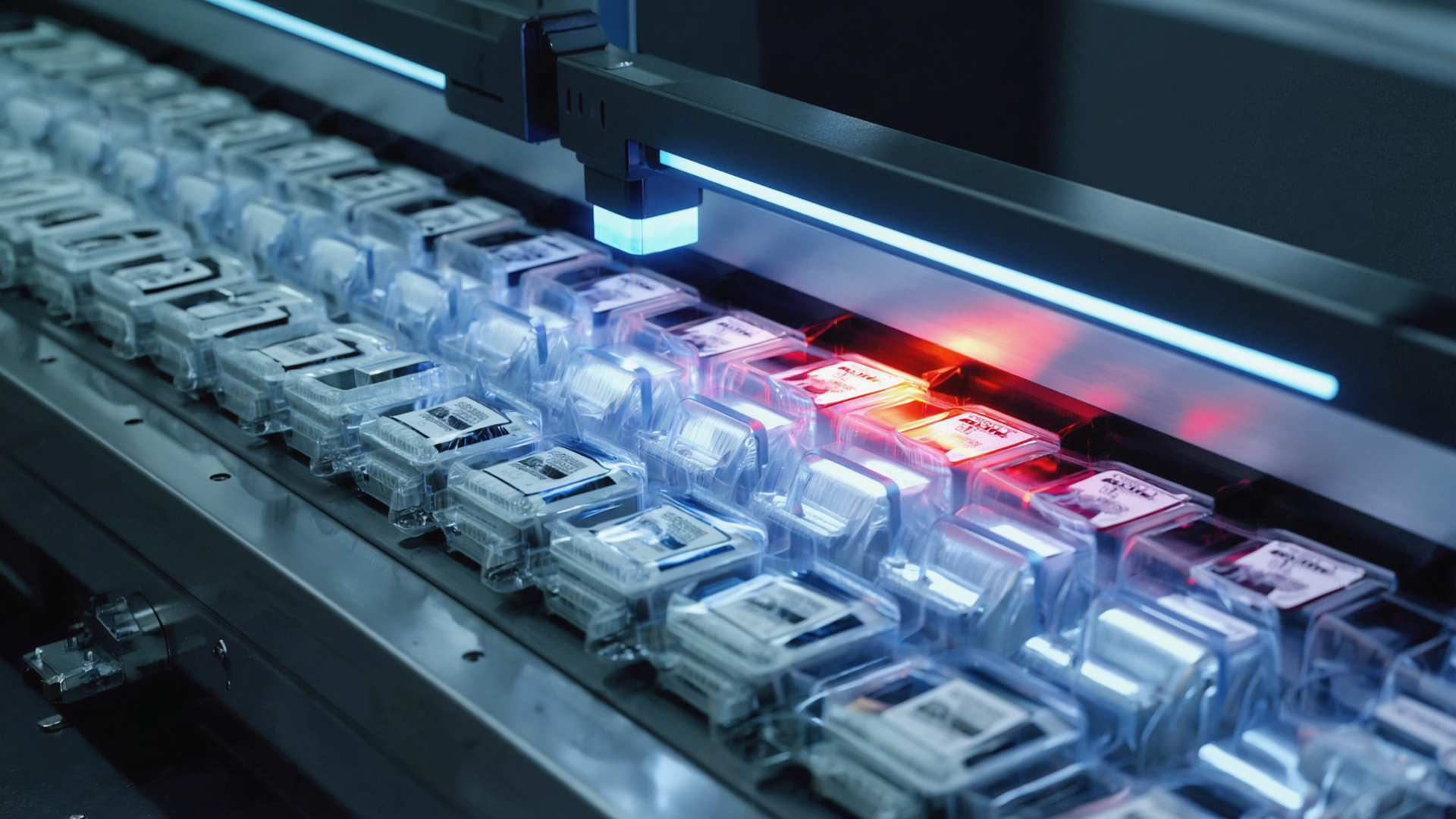
The Importance of Detecting Label Errors and Its Impact on Your Business
Label inspection is the process of checking your products for compliance and accuracy before they are launched on the market. This process is a critical part of protecting your brand image and maintaining consumer trust. Faulty labels can lead to serious legal issues due to misinformation and potential health risks.
Detecting label errors—especially when using AI-powered quality assurance technologies—offers significant advantages in speed and precision. These technologies can detect even the smallest errors that the human eye might miss.
FMCG image processing techniques can continuously inspect labels on fast-moving consumer goods. Automated systems not only improve production line efficiency but also significantly reduce the potential costs of labeling errors.
Selling products with incorrect or missing information at point-of-sale can harm brand reputation. Therefore, automated label inspection is directly linked to product safety and customer satisfaction, and improving label inspection processes is a strategic investment for companies.
How Is Label Inspection Performed? The Role of Smart Systems
Label inspection is a critical process for verifying that products comply with standards before they are marketed. Traditional methods are often time-consuming and prone to error, but with technological advancements, these processes have become more efficient. AI-powered quality assurance and automatic label control technologies enable faster and more accurate inspections.
Smart systems scan texts, logos, and other visual elements on labels to automatically detect errors. Leveraging FMCG image processing techniques, these systems verify that product labels are correctly placed on packaging and meet all regulatory requirements. This algorithm-driven process requires fewer human resources and significantly reduces the margin of error compared to manual checks.
Smart label inspection systems also optimize time and cost. Thanks to advanced image recognition and processing capabilities, these systems can inspect large volumes of products in a very short time. This helps businesses shorten their time-to-market and gain a competitive edge.
With smart systems, label inspection processes not only become faster and more cost-effective but also yield more reliable and accurate results. This enhances consumer trust in the brand and improves its market positioning.
Successful Label Inspection Examples
The use of smart systems in label inspection processes has effectively increased quality and efficiency across many industries. Here are some examples where this technology has been successfully integrated:
1. Flawless Product Delivery in the Food and Beverage Sector: Automatic label control systems detect faulty labeling and ensure products are accurately labeled before reaching the market. Especially with FMCG image processing technologies, label accuracy rates for fast-moving consumer goods have significantly improved. This directly impacts brand reliability and customer satisfaction.
2. Patient Safety in the Pharmaceutical Sector: Label errors in pharmaceuticals pose serious health risks. AI-powered label inspection systems minimize these errors, maximizing patient safety. Additionally, these systems provide significant support to companies in maintaining regulatory compliance.
3. Part Verification in the Automotive Industry: Labeling of parts in the automotive industry is crucial for assembly accuracy. Smart label inspection systems ensure parts are labeled correctly, preventing assembly errors and reducing production mistakes and costs.
These examples demonstrate how effective AI-driven quality assurance applications can be. By using technology efficiently, businesses can achieve substantial gains both financially and in terms of customer satisfaction.
Use Smart Label Systems to Increase ROI
As market competition and consumer expectations rise, manufacturers face increased pressure regarding product quality and brand reputation. In this context, using automation and innovative technologies in the label inspection process can significantly increase return on investment (ROI). Smart label systems play a crucial role in this process.
Automatic label control using smart label systems quickly detects and corrects errors. These systems ensure products meet proper standards and regulations before being launched. This minimizes legal liabilities and brand damage caused by mislabeling.
AI-powered quality assurance in label inspections not only corrects errors but also optimizes the labeling process. These systems continuously improve by learning from past data, working more efficiently over time with fewer errors. This results in cost savings and increased production capacity for businesses.
For example, FMCG image processing technology can inspect fast-moving product labels in seconds and automatically detect any inconsistencies through image analysis. This is especially advantageous in high-volume production and reduces product errors to nearly zero.
Integrating these technologies strengthens businesses’ marketing strategies and consumer trust. In conclusion, using smart label inspection systems has become indispensable for increasing ROI and achieving a competitive advantage. Investments in these technologies are strategically important for long-term success and market leadership.
Frequently Asked Questions
How do smart systems detect label errors?
They use artificial intelligence and machine learning technologies to automatically detect spelling, grammar, and formatting errors on product labels. These systems scan label texts to ensure they are error-free and compliant with standards.
How does this technology strengthen my brand?
Label errors can negatively affect consumer trust and brand image. Brands that correct label errors using smart systems demonstrate responsibility to their customers, increasing trust and enhancing brand value.
What is the cost of smart label control systems for businesses?
The cost depends on the selected technology and system complexity. However, in the long term, factors such as brand protection and reduced error costs can outweigh the initial investment.
How long does the implementation process take?
Installation and integration times vary depending on the current state of the business and the level of customization required. Typically, it takes a few weeks to a few months.
Which industries are suitable for these systems?
Smart label control systems can be used in any sector where labeling standards and consumer trust are critical, such as food, healthcare, cosmetics, and consumer electronics.
Do these systems work in real time?
Yes, most smart label control systems can scan labels in real time on the production line and instantly detect errors, triggering correction processes.
How do smart label control systems affect error rates?
These systems significantly reduce error rates—almost to zero. Their high accuracy minimizes labeling errors, preventing costly issues such as product recalls and legal liabilities.