25/06/2025
Occupational Health and Safety Practices in the Construction and Heavy Industry Sectors
Construction and heavy industry sectors hold special importance in occupational health and safety due to their intensive labor demands and the use of hazardous machinery. Each year, the high number of workplace accidents in these sectors leads to loss of life and property, while also imposing financial and legal burdens on businesses. Therefore, implementing an effective occupational health and safety program is an indispensable necessity to protect both employees and enterprises. In this article, we will discuss why occupational health and safety is crucial in construction and heavy industry sectors, and detail successful methods and practical approaches to prevent workplace accidents and potential hazards.
Construction and Heavy Industry: Why Occupational Health and Safety Is Essential
Construction and heavy industry are high-risk sectors where mistakes are not forgiven. Falling from heights, heavy machinery, explosive environments… the potential hazards are countless. That’s why occupational health and safety isn’t just a procedure—it’s a matter of life and death.
In these fields, the use of personal protective equipment (PPE) and regular risk assessments are essential. The right PPE can protect a worker from fatal outcomes. Risk analysis helps identify dangers before they occur, allowing preventative action. If you send an untrained worker onto a construction site, you're the one responsible.
Technology on Site: AI-Powered Safety
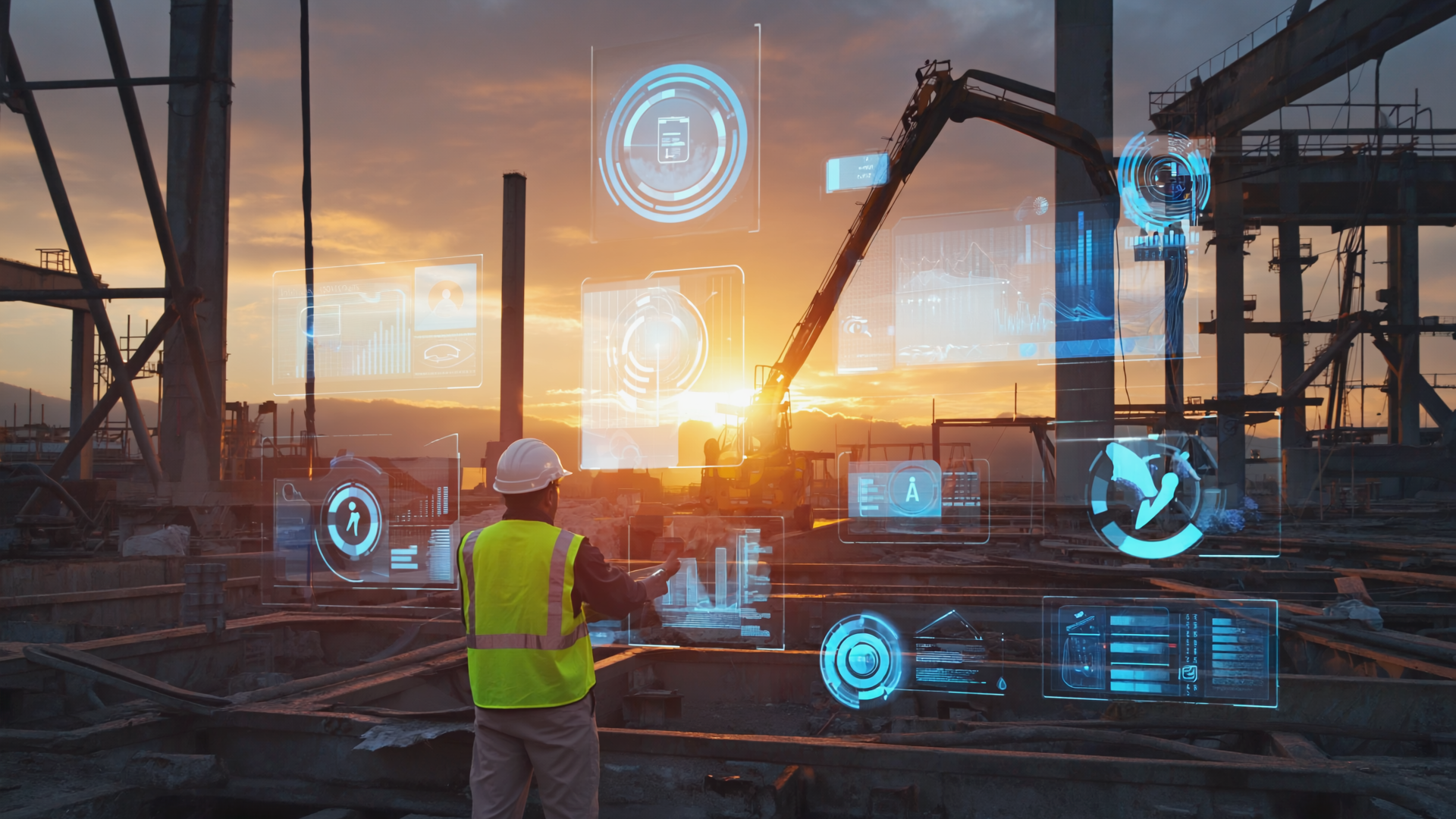
Wearing a hard hat alone is no longer enough. AI-powered systems monitor worker behavior and instantly detect risky actions. With image processing technology, both the environment and equipment are continuously scanned. The system tells you, “There’s a problem here,” before you even notice it yourself.
OHS Methods: If You Don’t Follow the Rules, the Game’s Over
First comes risk assessment, then appropriate equipment selection. All employees undergo training. Even a quick safety briefing at the start of each workday can save lives. If PPE is missing, stop production—if you don’t, they’ll stop you.
Training isn’t just showing a presentation. The formula is: theoretical knowledge + hands-on practice = a safe worker. And remember, the system requires continuity. Without audits, complacency sets in.
Work Accidents: Preventable Disasters
Most accidents are not “unavoidable” but rather “preventable.” Falls from heights, lifting heavy loads, careless equipment use—these classic scenarios still lead the statistics. If you didn’t wear PPE or take training seriously, you must face the consequences.
AI and image processing systems also step in here. They detect risky behaviors and alert you. They speed up response time. Since the human factor is the weakest link, the system supports it.
Factors That Improve Workplace Safety
Safety equipment comes first: hard hats, goggles, gloves, boots, ear protection… all must be used properly. Not randomly, but selected specifically for the task.
Second is risk analysis. Every operation must analyze its unique hazards. A copy-paste safety plan won’t cut it—it must be tailored to the worksite.
The third critical factor is training. Whether it’s a new apprentice or a 20-year veteran, everyone needs training. It’s not just a requirement—it’s a survival manual.
Finally, there’s technology: AI, sensors, wearable devices… all serve as the digital shield of occupational safety. If you don’t build that shield, you’ll be the first to fall.
Frequently Asked Questions
Why are occupational health and safety practices so important in the construction sector?
Because the risk level is high, and the consequences of accidents are severe. Without safety, there can be no production.
What safety measures are recommended for heavy industry operations?
Risk assessments, mandatory training, use of PPE, and safety protocols for machines. All of these must work together.
How are occupational health and safety laws enforced in these sectors?
Through specific regulations, mandatory standards, and continuous inspections. There are penalties for non-compliance—no exceptions.
What are the most common causes of workplace accidents?
Falls from heights, being crushed by machinery, chemical exposure… They usually happen due to negligence.
How can we increase employee awareness?
Through training, posters, seminars, and daily briefings. Safety lives on when it's constantly reinforced.
What are the most common health problems?
Hearing loss, herniated discs, respiratory illnesses caused by dust, and psychological stress.
How do new technologies help?
Wearable sensors allow real-time risk monitoring. With AI, you can analyze behavior and stop accidents before they happen.