15/07/2025
Fast and Accurate Production Tracking with Barcode Reading Systems in Industry
In every sector, production speed and accuracy are of critical importance for gaining a competitive advantage and increasing customer satisfaction. In the industry, barcode reading systems offer incredible opportunities to maximize these two key factors. In this article, we will provide a wide range of information, from the basic functioning of barcode technology to examples of sectoral applications, from best practices tailored to the needs of the industry to frequently asked questions. By examining the effects of barcode systems on production processes in detail, we will reveal the transformative impact of this technology on businesses. In particular, we will discuss the role it plays in different sectors and ways to increase its effectiveness.
The Importance and Core Functionality of Barcode Reading Systems in Industry
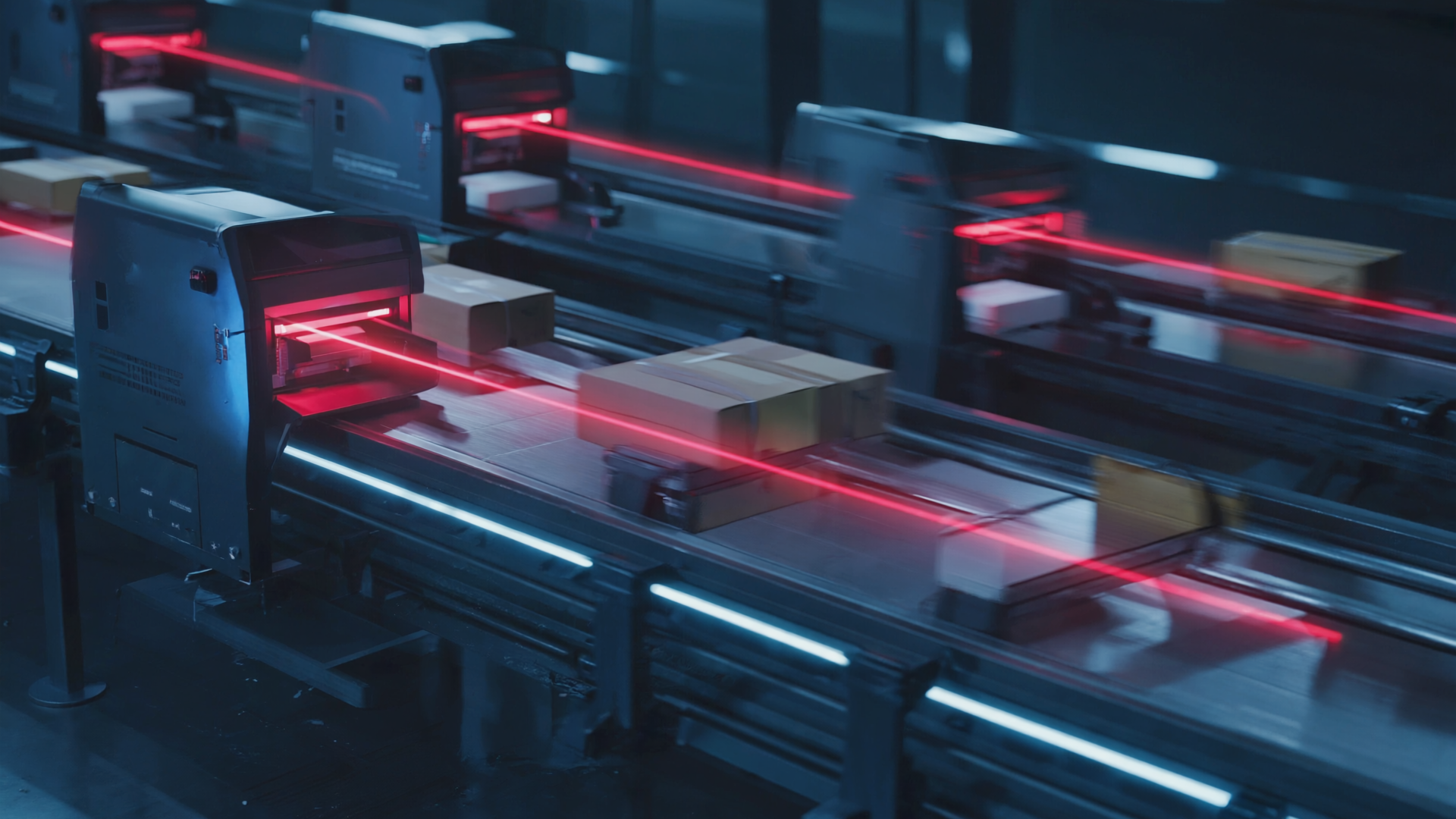
Barcode reading systems play a critical role in improving efficiency and accuracy in industrial production processes. Barcode technology enables fast identification and tracking of products and materials, helping businesses save time and reduce costs while minimizing error rates. These systems work by having optical sensors read the barcodes and transferring the data to computer systems.
In the manufacturing sector, barcode systems are used in various stages such as raw material intake, assembly line operations, final inspection, and shipment. Barcodes contain information such as product type, source, and production date, which is integrated into databases to simplify production tracking. Automatic barcode scanning eliminates manual errors and accelerates the process.
Barcode systems also play a major role in warehouse management. Classifying products, placing them, and updating their locations can easily be done with barcodes. This enables quick location of the correct product and ensures efficient use of workforce.
Industrial barcode solutions ensure control and efficiency at every stage of production. Technologies like fast barcode scanning and automatic barcode recognition advance operational processes.
The Impact of Barcode Systems on Production Processes
Barcode reading systems make production tracking processes more efficient. Through integration, the entire process from raw materials to shipment can be tracked without error. Automatic data collection reduces human error and increases operational efficiency.
Automatic barcode recognition technology works in integration with production line machines, enabling immediate product identification. This benefits both production speed and product transition accuracy, preventing incorrect shipments and improving customer satisfaction.
Barcode systems work alongside production automation strategies, allowing for more accurate production planning. Especially during periods of high demand, barcode verification and fast scanning systems support uninterrupted production.
Industrial barcode solutions maximize efficiency and accuracy while offering businesses cost advantages. The development of these systems is a direct reflection of technological advancements.
Use of Barcode Reading Technologies in Different Industries
Barcode systems are a fundamental technology in many industries for product management and traceability. Especially in areas like warehouse management and inventory tracking, they speed up processes and reduce errors.
In the retail sector, fast barcode scanning accelerates checkout operations, increases customer satisfaction, and ensures more accurate sales records. In addition, product movements are tracked through barcodes, improving inventory management.
In manufacturing, barcode systems speed up the process of passing products through serial production lines. Every stage from raw material processing to shipment becomes traceable, allowing early detection of bottlenecks.
Automatic barcode recognition and verification systems have become smarter with technological advancements. These improvements not only bring speed and accuracy but also provide comprehensive solutions for complex manufacturing and logistics processes. Error rates drop, costs decrease, and overall industry efficiency increases.
Best Practices for Industrial Barcode Reading Systems
Barcode reading systems in industry are critical for monitoring and managing production processes. With proper installation and trained personnel, the system functions smoothly.
Regular barcode verification reduces scanning errors and ensures error-free production. Integration with automation tools also increases processing speed.
Automatic recognition and fast scanning technologies allow products to be quickly recorded. This ensures every product is traceable and reduces the risk of error.
Finally, systems must be regularly updated and kept open to innovations. This ensures barcode systems remain efficient over time.
Frequently Asked Questions
What problems do barcode reading systems solve in industry?
They reduce errors in production processes, automate inventory tracking, and speed up logistics operations. They provide time and cost advantages.
What are the effects of barcode reading systems on the production process?
They ensure production line traceability, reduce errors, and increase efficiency. Stock levels can be updated in real time.
How do barcode systems save time in industry?
They collect data faster and more accurately than manual entry, resulting in significant time savings in production and inventory processes.
What technical infrastructure is needed to install barcode reading systems?
Barcode scanners, data terminals, compatible software, and a strong network infrastructure are required.
Are barcode reading systems cost-effective for small businesses?
Yes. When appropriately scaled systems are selected, efficiency gains can offset the initial investment in a short period.
How is the maintenance of barcode reading systems performed?
Software updates and hardware checks should be conducted regularly. Proper maintenance ensures the system operates reliably and has a long lifespan.
How will barcode systems impact the future of industry?
They will become smarter through integration with AI and machine learning, leading to maximum efficiency in industrial processes.